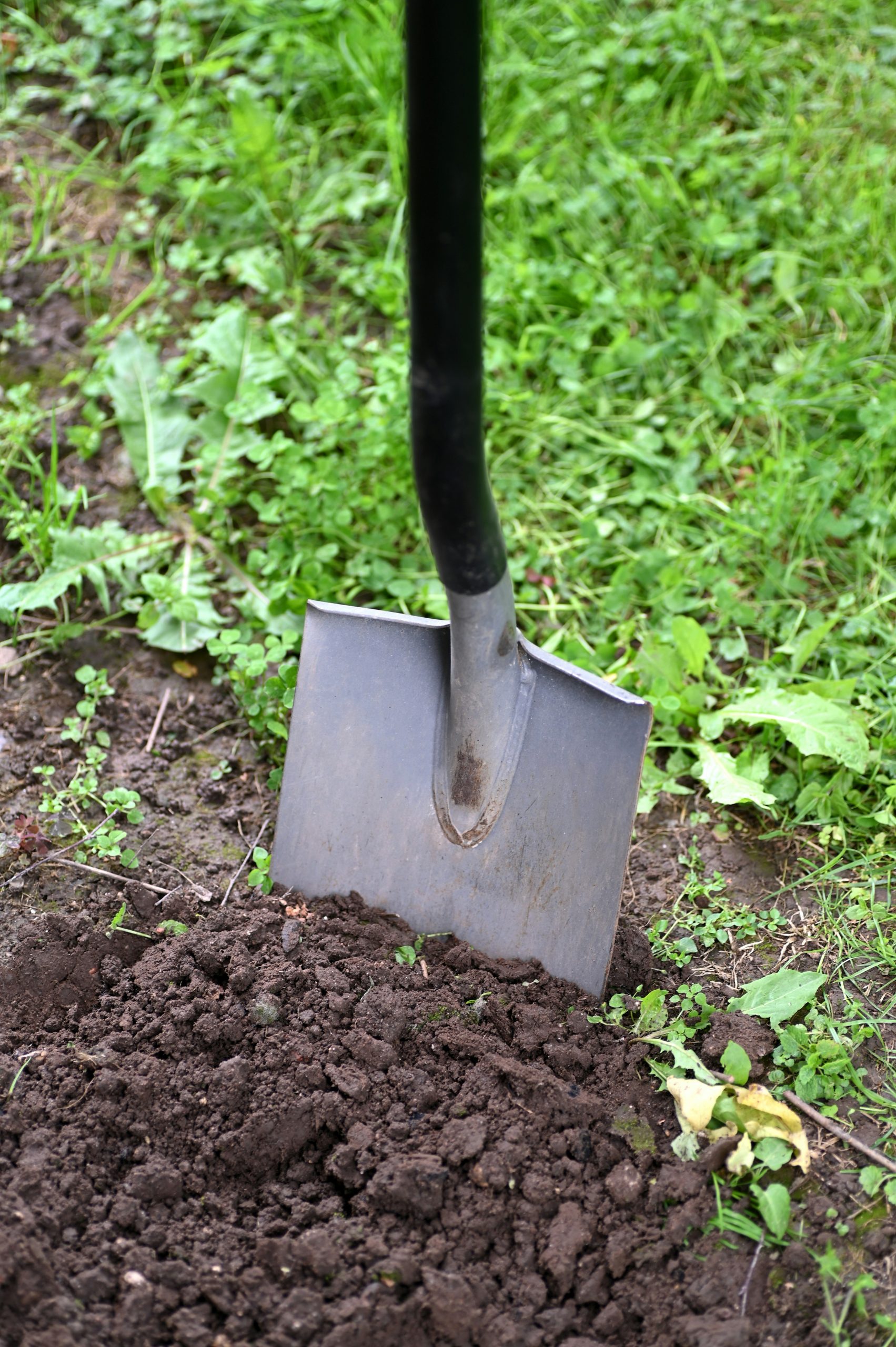
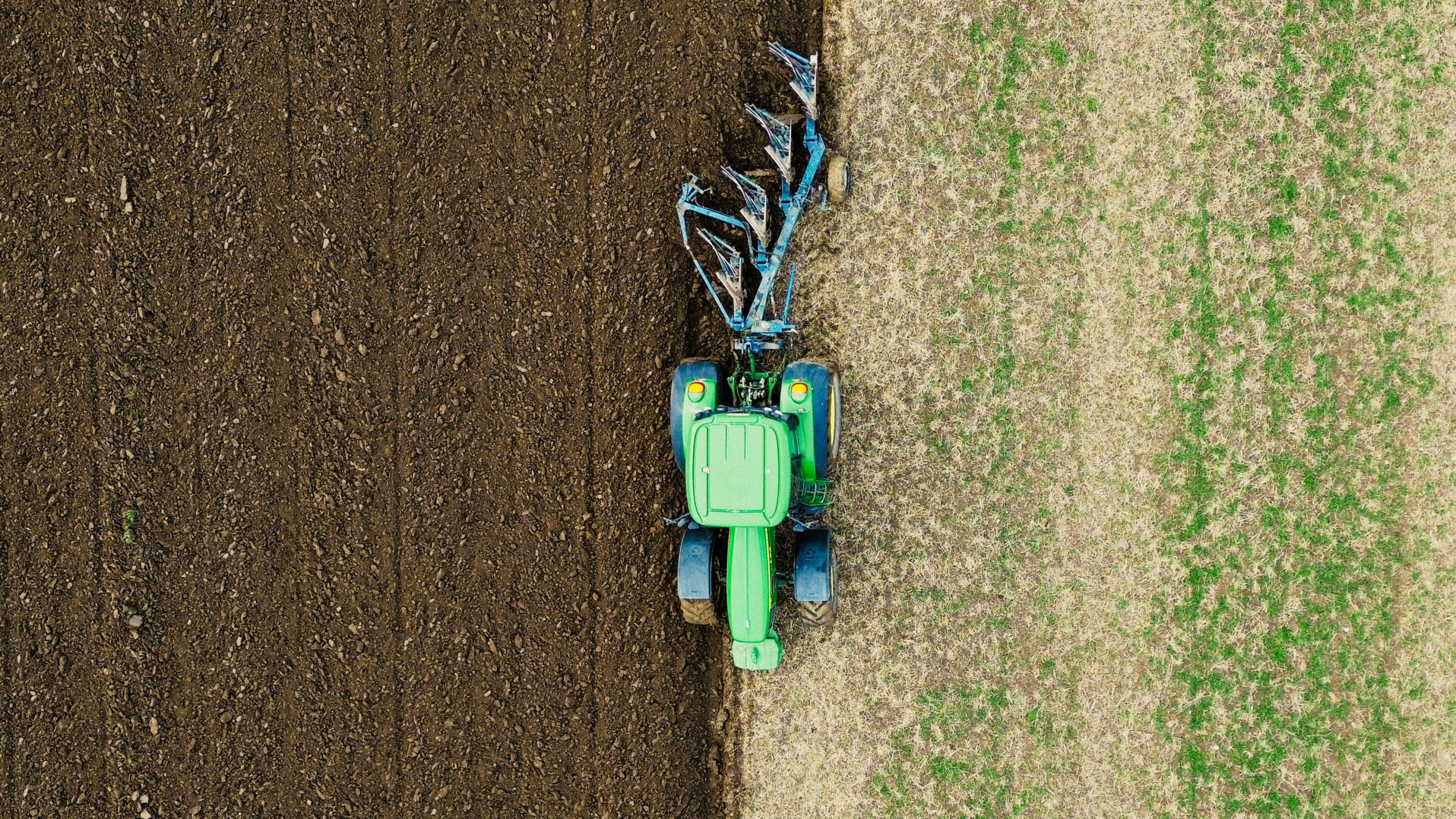
As spring gradually emerges, the gardeners amongst us are busy getting beds cleared, seeds purchased and plans made for the coming year. When you drive through the Presbytery, the same thing is happening on a much bigger scale in the fields - as the ground is ploughed up and made ready. Stones are gathered and sowing will soon be underway (if it hasn't already begun). Whether your growing area can be measured in acres or in pots, the need to invest time and resources is the same. That is if you want a good harvest. The ground needs looking after and the crop needs nurtured. Even the hardiest of houseplants needs the occasional splash of water.
In Isaiah 5:1-7, which is one of this Sunday's text if you follow the Spill the Beans material, we get an amazing insight into God as the vine-keeper. He does everything to ensure that the vines have the best opportunity to fulfil their potential and produce grapes that will make excellent wine. He is committed and diligent, sparing no expense. It is a labour of love.
Sadly, it seems that his efforts are wasted, as the vines produce wild grapes, which are next to useless. God's heartbreak is palpable as Isaiah goes on to describe the judgment that will now befall the vineyard.
The passage can challenge us to consider what we do with all that God invests in us - as individuals and as congregations. Are we making the most of what had been provided to us? Are we receptive to God's grace in our lives, which sometimes comes in the form of nurturing relationships?
In days gone by, on the fourth Sunday of Lent, people would go back to their 'Mother Church'. The practice was known as 'a-mothering'. Today, as the Moderator of the General Assembly expressed in the Scottish Parliament this week, it is a good opportunity to pause and remember all those who have nurtured us in our faith. To remember those who invested in us when we were young or when we were new followers of Jesus. To remember those who helped feed and water us, so that we could grow and bear fruit.
And as we give thanks for them, we could perhaps also question who is receiving that care and attention from us. Who are we investing in? What project or group of people are we nurturing? What part of church life needs dug up, or replanted, pruned or cultivated?
Rev Stella